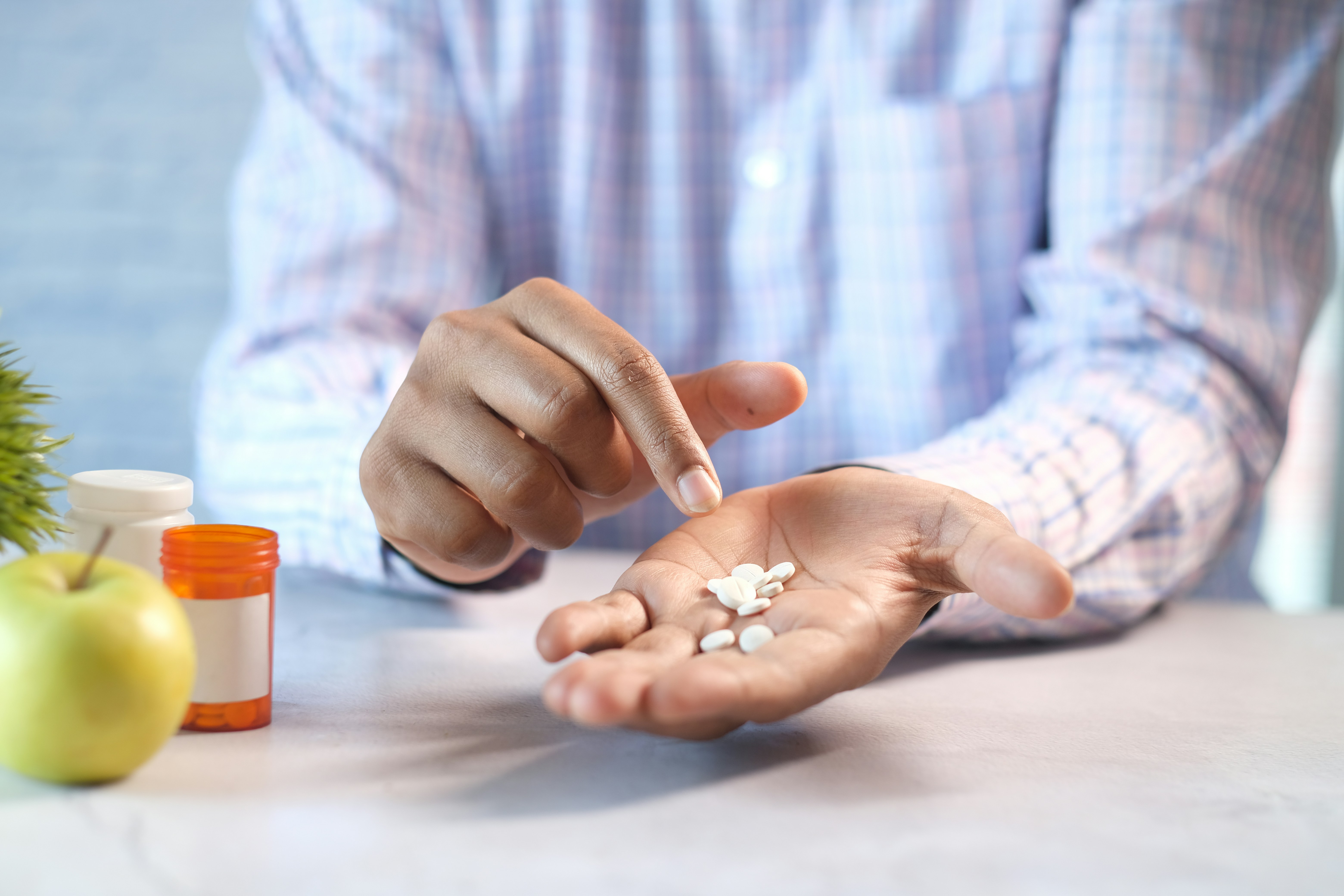
Ketamine can be a powerful tool for healing, and like any medication, it’s important to understand how it may interact with other medications or substances you’re taking. Some medications can change how ketamine works, while others may increase certain risks or side effects.
That’s why understanding your full medication picture is an important part of preparing for ketamine therapy. At Medicine Within, we take time during your intake and screening process to review the medications, supplements, and other substances you use so we can help create a treatment experience that is both safe and supportive.
The reassuring news is that most commonly prescribed antidepressants can be taken safely alongside ketamine, and many people do not need to stop or change their existing medications in order to participate in ketamine therapy. There are, however, some important exceptions and considerations. This article walks through the medications and substances we pay particular attention to, and why they matter.
1. Opioids
The impact of combining ketamine with opioids varies between different people and different dosages of each medication. Ketamine can lead to excessive drowsiness, slowed breathing, hallucinations, or psychotic symptoms. Both act on the brain in ways that may amplify these effects. The risk is especially notable with methadone.
2. Benzodiazepines
Drugs like Valium, Xanax, Ativan, or Klonopin can reduce the antidepressant effects of ketamine. While they don't necessarily cause dangerous side effects together, they may reduce the treatment’s effectiveness.
3. Alcohol and Barbiturates
Mixing ketamine with alcohol or barbiturates can cause extreme sleepiness, breathing trouble, dizziness, or increases the risk of falls and accidents. Patients struggling with active alcohol abuse may not be suitable candidates for ketamine therapy.
4. Stimulants (e.g., Adderall, Ritalin)
If you take meds for ADHD, like Adderall or Ritalin, ketamine may raise your blood pressure to unsafe levels. This matters even more if you already have heart issues. Also, stimulants can make it challenging to drop deep into and relax during a ketamine session, and are thus often paused a few days before treatment.
5. MAO Inhibitors (MAOIs)
Older antidepressants like selegiline or tranylcypromine can also raise blood pressure. Using them with ketamine might lead to dangerously high levels.
6. Medications That Impact Liver Enzymes (e.g., certain HIV drugs or cobicistat)
Some medications slow how your liver breaks down ketamine. That can lead to too much ketamine staying in your body and causing stronger effects.
7. Ephedrine, Epinephrine, Norepinephrine
These drugs raise blood pressure. Using them with ketamine (known to increase blood pressure) can dangerously elevate it. Avoid this combo if you have hypertension, stroke risk, or a head injury.
8. Fentanyl and Other Strong Sedatives
Combining ketamine with fentanyl (or similar) may deepen sedation and risk breathing failure, coma, or even death. Extreme caution is necessary.
9. Lamotrigine (Lamictal)
This medication, (used for bipolar disorder or seizures) may reduce ketamine's therapeutic effects by dampening brain activity in ways that counter ketamine’s action.
10. Antipsychotics (e.g., clozapine, risperidone, haloperidol)
Some evidence (though limited) suggests these medications may lessen ketamine's effects in certain patients. However, olanzapine may not have this issue.
11. Antidepressants (SSRIs/SNRIs, etc.)
Most modern antidepressants (like SSRIs such as sertraline and escitalopram) appear safe to use alongside ketamine. In some cases, they might even enhance the antidepressant response.
12. Cannabis (Marijuana)
Using cannabis on the day of ketamine treatment may reduce its effectiveness. Cannabis affects how synapses in the brain change and adapt—critical pathways ketamine relies on.
13. Illicit Drugs
Any illegal drugs mixed with ketamine can lead to unpredictable and dangerous reactions like agitation, heart issues, over-sedation, or worse.
14. Food & Supplements (e.g., grapefruit juice, St. John's wort)
Some dietary supplements or common food items like grapefruit juice can change how your body processes ketamine, either making it wear off quickly or stick around for longer.
Ketamine can open a meaningful door to healing, but the experience is best supported when we take the time to understand the whole picture, including the medications and substances that are already a part of your life.
For most people, ketamine can be used alongside their existing medications, but there are some important exceptions and individual considerations. This is why thoughtful screening and honest communication with your healthcare team matter so much.
You don’t need to navigate these questions on your own. If you’re considering ketamine therapy, talk openly with your treatment provider about everything you’re taking. The goal isn’t simply to determine whether ketamine is “safe” or “unsafe,” but to create the conditions for you to have the safest and most supported experience possible.
.jpg)
Receive news, articles, and blog posts highlighting the benefits of ketamine therapy!